A Practical Guide to Linen in Museum Collections: Care, Preservation, and Display
Exploring how linen textiles are cared for, preserved, and presented in museum settings—balancing scholarly rigor with accessible storytelling.
Introduction: Linen as a Living Artifact
Linen is more than a fabric; it is a thread through time, tying together ancient economies, domestic life, and the modern discipline of conservation. In museum contexts, linen textiles present a distinctive set of aging characteristics that demand specialized stewardship. The very fiber—flax—when transformed into linen, carries a complex history of cultivation, spinning, weaving, and finishing practices that reflect cultural values and technological innovations across civilizations.
The conservation of linen sits at the intersection of science, history, and interpretation. Curators, conservators, and educators collaborate to ensure that linen specimens withstand the test of time while remaining legible to audiences who seek connection with the past. This guide articulates practical principles drawn from material science, preventive conservation, and display considerations—grounded in real-world museum practice and accessible to readers with varied levels of expertise.
Material Properties: Why Linen Demands Special Care
Linen fibers originate from the flax plant and offer a unique combination of strength, breathability, and texture. In aging, linen exhibits hazards distinct from other textiles—embrittlement, yellowing, and mold growth in ill-controlled environments. The fiber’s sensitivity to humidity, light, pollutants, and microclimatic fluctuations informs every decision from storage to exhibition.
Key material considerations include:
- Relative Humidity (RH): Linen thrives in a stable RH range, typically around 45–55%. Fluctuations—even within small increments—can cause dimensional changes, weakening of seams, and fiber fatigue.
- Temperature: Moderate temperatures (18–22°C) help minimize chemical and biological activity that accelerates deterioration.
- Light Exposure: Linen is susceptible to photochemical degradation. Controlled light levels, filtered spectra, and short display durations protect fibers while preserving legibility and color integrity.
- Air Quality: Volatile pollutants and particulates accelerate surface soiling and embrittlement. Clean, filtered air reduces cumulative damage during storage and display.
- Mechanical Handling: Linen’s structure—often reinforced by historical stitching—can be compromised by repeated handling. Gentle supports and proper mounting minimize risk to fragile regions such as hems, seams, and embroidery.
Preventive Conservation: Strategies for Longevity
The preventive framework for linen in museums is built on environmental control, careful storage, and mindful handling. A robust preventive program reduces the need for restorative interventions and supports long-term accessibility for researchers and the public.
Core preventive measures include:
- Microclimate Monitoring: Implementing data loggers and regular surveys to maintain stable RH and temperature. Even minor deviations can accumulate damage over years.
- Light Management: Calibrated light exposure using low-intensity, short-duration displays. Employing UV filtering and maintaining conservatively low lux levels preserves fibers and dyes.
- Storage Solutions: Acid-free, lignin-free storage supports and regulated climate compartments reduce contact with harsh environments. Linen items are often stored flat or cushioned with tissue in acid-free boxes to prevent creasing and abrasion.
- Cleaning and Surface Management: Non-abrasive cleaning, careful dust removal, and avoidance of moisture-laden interventions protect surface integrity. When necessary, mechanical cleaning with soft brushes under guidance from conservators helps minimize fiber loss.
- Handling Protocols: Trained personnel use gloves, support boards, and appropriate transport containers. Documentation of handling events helps track cumulative stress on artifacts.
Display and Interpretation: Balancing Visibility with Preservation
Exhibiting linen requires a delicate balance between legibility for the viewer and protective measures for the object. The way linen is mounted, lit, and contextualized can transform a mere textile into a narrative that resonates with contemporary audiences while honoring its historical roots.
Display strategies include:
- Mounting Approaches: Supportive mounts that minimize stress at seams and hems, using padded ribbons, linen backing, or conservation-grade supports. For fragile artifacts, use phase-based mounting that allows slight movement without introducing tension.
- Lighting Considerations: Layered lighting that emphasizes texture and weave without accelerating aging. Consider raking light to reveal weave structure while limiting overall exposure.
- Contextual Labels: Descriptive labels that provide provenance, material notes, and conservation history to enrich public understanding without overburdening the viewer with technical detail.
- Provenance and Significance: Clear articulation of an object’s place in a broader textile history—how linen relates to social life, economies, and technological progress.
Cataloging and Documentation: Building a Reliable Record
Accurate cataloging is the backbone of any museum collection. For linen textiles, essential documentation includes fiber composition, weave structure, construction techniques, dye chemistry when applicable, and a robust provenance timeline. Digital catalogs enable global researchers to access high-level metadata and, when permissible, linking to digitized archival sources.
A well-structured catalog entry typically encompasses:
- Object Title and Type: A concise description that anchors the artifact within the collection.
- Materials and Techniques: Detailing flax fiber, weave type, finishing processes, and any decorative elements.
- Dimensions and Physical State: Measurements, weight, and notes on tears, stitching fatigue, or restoration work.
- Provenance: Documentation of origin, acquisition history, and any known exhibition history.
- Conservation History: Sessions, interventions, and current condition assessments with dates.
- Access and Reproduction Rights: Guidelines for scholars and public access, including any restrictions on handling or image use.
Case Studies: Notable Linen Artifacts and Their Conservation Narratives
Across museum collections, linen artifacts reveal the spectrum of techniques—ranging from ancient linen fibers discovered in burial textiles to medieval household linens and ceremonial textiles. Conservation case studies illustrate how environmental controls, careful mounting, and scholarly interpretation coalesce to preserve the material’s integrity while enabling public engagement.
While specific cases vary by institution, common threads emerge: a commitment to minimizing intervention through preventive care, precise documentation of condition changes, and thoughtful display planning that communicates both technique and context. In every instance, linen artifacts become opportunities to connect visitors with the lived experiences of past communities.
Further Reading and Resources: A Curated Pathway for Researchers
To deepen understanding beyond this guide, consider scholarly catalogs, textile conservation textbooks, and museum-referenced digitized archives. The following pathways offer rigorous, Citable starting points for researchers and students:
- Bibliographies on conservation science and textile materials, with emphasis on flax and linen aging processes.
- Digitized museum collections featuring linen artifacts, with provenance notes and conservation histories.
- Academic journals focusing on textiles, material culture, and conservation science that publish case studies on linen preservation.
Practical Recommendations for Museums Working with Linen
For institutions developing or refining a linen program, prioritize a comprehensive preventive conservation plan, invest in climate-control infrastructure, and cultivate collaborations with textile science experts. Ensure staff training on handling and mounting, and foster a culture of meticulous documentation and transparency in interpretation.
Finally, approaching linen as a living artifact means acknowledging its ongoing relationship with visitors. By weaving rigorous preservation science with thoughtful storytelling, museums invite audiences to experience linen not only as a textile of the past but as a conduit to understanding human ingenuity, labor, and everyday life across time.
Product Spotlight: Linen Bedding and Museum-Quality Textiles
While this article centers on museum practice, the themes of care, material quality, and display resonate with consumer-grade linens that emphasize sustainability, durability, and tactile richness. Among the products offered on our site, two items exemplify the premium linen experience that aligns with the values of museum-quality textiles:
-
Naturepedic Organic Linen Duvet Cover Sets
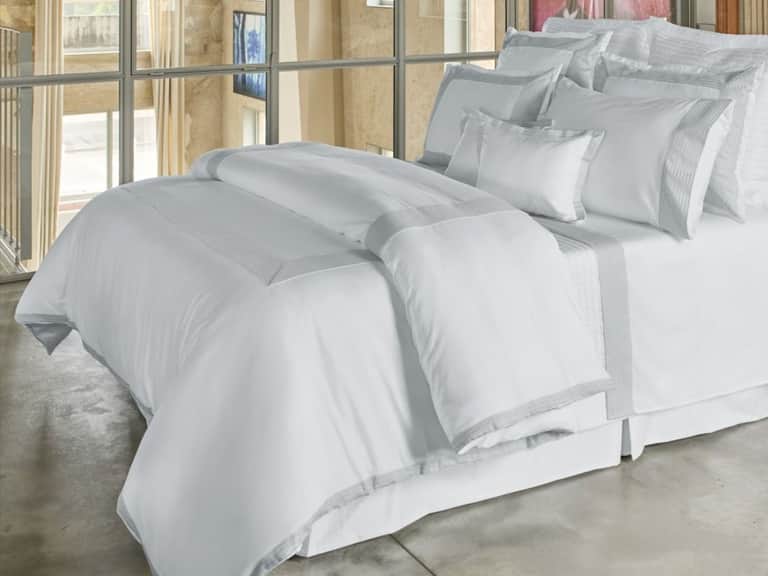
Expertly woven for breathable comfort, these duvet covers are crafted from certified organic flax grown in France. They balance strength and softness, offering an indulgent sleep experience that improves with time. The linen’s weighty, breathable texture adapts to your body, delivering year-round comfort. Ideal for allergy sufferers due to a looser weave that reduces dust and particle buildup. This set pairs beautifully with Organic Linen Sheets, and is available in earth-toned palettes that echo the natural hues of linen fibers.
Price: 549.00
-
Naturepedic Organic Linen Sheets
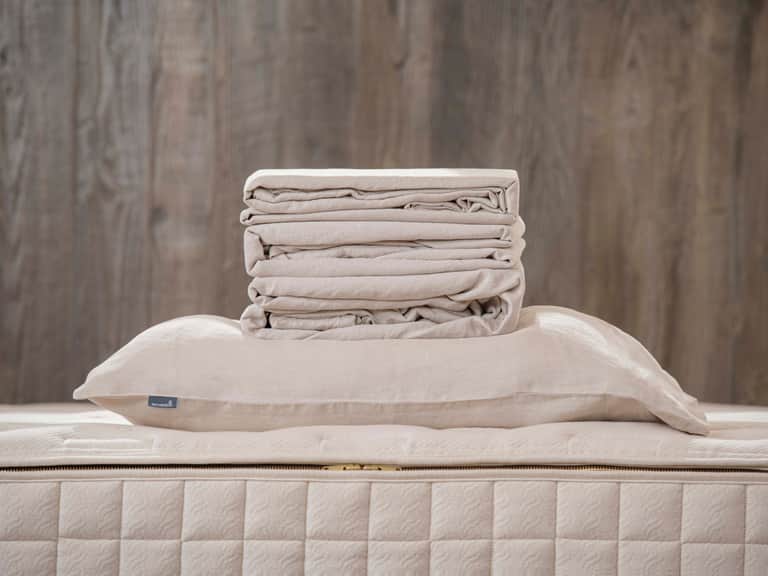
Organic linen sheets from Naturepedic provide supreme comfort across seasons. Linen’s hollow fibers enable exceptional moisture-wicking and breathability, keeping you cool in summer and offering weighted warmth in cooler months. Crafted from premium, certified organic flax grown in France, these sheets are designed for lasting durability and skin-friendly performance.
Price: 499.00
These products illustrate how the fabric’s intrinsic properties—breathability, moisture management, and natural insulation—translate into experiences of quiet luxury in everyday life. They stand as modern-day interpretations of linen’s enduring appeal, aligning with the museum ethos of thoughtful preservation and meaningful display.
Conclusion: Stewardship, Story, and a Ledger of Linen
Linen’s legacy is anchored in human ingenuity—from ancient agrarian economies to contemporary sustainable design. In museums, the careful stewardship of linen artifacts reveals not only how textiles age but how societies value material culture. By embracing preventive conservation, precise documentation, and compelling interpretation, institutions ensure that linen textiles remain legible and alive for future generations.
The presentation of linen—whether in a gallery case or a scholarly catalog—invites a dialogue between past and present. It is through this dialogue that linen remains a living artifact: a medium through which we glimpse the daily rituals, labor, and artistry that have woven humanity together across centuries.